Secure Military Discounts & Free Estimates
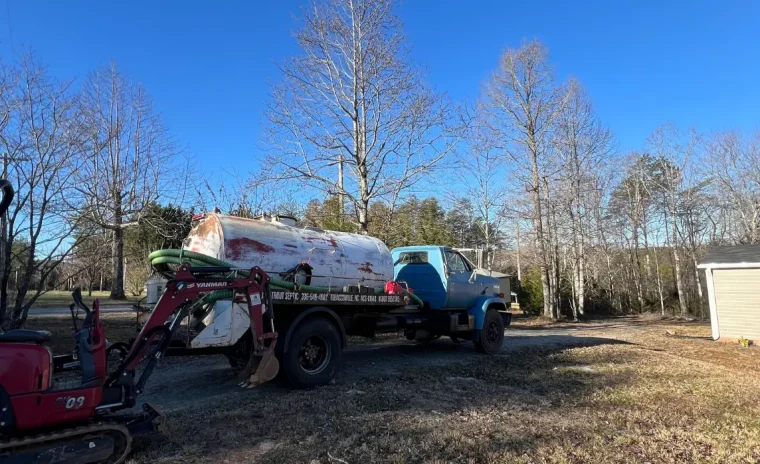
Understanding Septic Systems in Smithtown
Septic systems are the unsung heroes of rural and suburban properties throughout North Carolina. For homeowners in Smithtown and surrounding areas, understanding how these systems function is the first step toward maintaining a healthy, efficient wastewater treatment solution on your property.
A septic system consists of several key components working together to treat household wastewater naturally. The septic tank receives all wastewater from your home, separating solids from liquids through a natural settling process. Heavier solids sink to the bottom forming sludge, while lighter materials like grease float to the top creating a scum layer. The clarified liquid in the middle layer flows out to the drain field, where soil microorganisms complete the treatment process.
In Smithtown, where properties often feature larger lots with more space for traditional septic installations, these systems offer reliable wastewater treatment when properly maintained. The clay-rich soils common to this region of North Carolina require careful consideration during installation to ensure adequate drainage and filtration. Many homeowners find that regular maintenance prevents costly repairs and extends the lifespan of their investment significantly.
Brown Trout Septic, LLC brings professional knowledge and reliable service to homeowners throughout Smithtown and the greater NC region. With a focus on quality workmanship and customer satisfaction, the team handles everything from routine pumping to complex installations. Their approach combines technical skill with an understanding of local soil conditions and regulatory requirements, ensuring your septic system operates safely and efficiently for years to come.
Signs Your Septic System Needs Attention
Recognizing the warning signs of septic system problems early can save homeowners thousands of dollars in emergency repairs. Many issues begin as subtle indicators that gradually worsen if left unaddressed. Paying attention to these signals helps protect your property and prevents health hazards associated with failing wastewater treatment.
One of the most obvious signs is slow draining throughout your home. When multiple fixtures drain slowly simultaneously, the problem likely lies with your septic tank rather than individual pipes. This often indicates the tank has reached capacity and requires pumping. In Smithtown homes, where septic tanks typically serve families year-round, regular pumping every three to five years prevents this issue from escalating.
Unpleasant odors around your property, particularly near the tank or drain field area, signal potential problems. These smells result from gases escaping due to system backups or failures. Standing water or unusually lush grass growth over the drain field also indicates problems, as wastewater may be surfacing rather than properly absorbing into the soil.
Interior warning signs include gurgling sounds from plumbing fixtures, sewage backups in lower-level drains, and toilets that bubble when other fixtures are used. These symptoms often indicate blockages or an overfilled tank requiring immediate attention. During NC’s wetter seasons, increased groundwater can exacerbate existing weaknesses in aging septic systems, making spring and fall ideal times for preventative inspections.
The Importance of Regular Pumping
Regular septic tank pumping stands as the single most important maintenance task for system longevity. Without periodic removal of accumulated solids, your tank loses its ability to separate wastewater effectively, leading to system failures that require expensive repairs or complete replacement.
The pumping frequency depends on several factors including household size, tank capacity, and water usage habits. A family of four with a 1,000-gallon tank typically requires pumping every three to five years. Homes with garbage disposals or large families may need more frequent service, as additional solids enter the system. In Smithtown, where many properties have been established for decades, older tanks sometimes require more frequent attention due to reduced capacity from years of use.
During a pumping service, technicians do more than simply remove waste. They inspect the tank for cracks, check inlet and outlet baffles for damage, measure sludge and scum layers, and assess overall system health. These inspections often catch minor issues before they become major problems, saving homeowners significant expense and inconvenience.
Postponing pumping services leads to solids overflowing into the drain field, where they clog the soil’s pores and prevent proper wastewater absorption. Once a drain field fails, replacement costs can reach tens of thousands of dollars. The relatively modest investment in regular pumping provides substantial protection against these catastrophic failures, making it one of the wisest maintenance decisions a homeowner can make.
Septic System Installation Considerations
Installing a new septic system represents a significant investment that requires careful planning and professional execution. Whether building a new home or replacing a failed system, understanding the installation process helps homeowners make informed decisions that affect their property for decades.
The process begins with a soil evaluation to determine the property’s suitability for septic system installation. North Carolina regulations require percolation tests that measure how quickly water drains through the soil. These tests determine the appropriate system type and drain field size for your property. In areas around Smithtown, soil composition varies considerably, with some locations featuring heavy clay that requires specialized system designs.
System sizing depends on the home’s number of bedrooms rather than bathrooms, as bedrooms indicate potential occupancy. A three-bedroom home typically requires a minimum 900-gallon tank, while larger homes need proportionally larger systems. Modern installations often include risers that bring tank access points to ground level, eliminating the need to dig each time the tank requires pumping or inspection.
The installation timeline varies based on system complexity, weather conditions, and permit processing. Most conventional systems take several days to install once permits are secured. Homeowners should plan for significant yard disruption during installation, though reputable contractors restore landscaping to near-original conditions. Proper installation by qualified professionals ensures the system functions correctly from day one and meets all local health department requirements.
For Smithtown residents considering new construction or facing system replacement, working with experienced local professionals makes the process smoother. Professional installation services ensure compliance with NC regulations while providing systems designed for your specific property conditions and household needs.
Protecting Your Investment Through Smart Habits
Beyond professional maintenance, daily household habits significantly impact septic system performance and longevity. Simple changes in water usage and waste disposal practices extend system life and reduce the frequency of required repairs.
Water conservation benefits septic systems by reducing the volume of wastewater requiring treatment. Spreading laundry loads throughout the week rather than doing multiple loads in one day gives the system time to process wastewater adequately. Fixing leaky faucets and running toilets prevents unnecessary water from overwhelming the tank. In Smithtown homes, where well water is common, residents sometimes use more water than those on metered municipal supplies, making conservation awareness particularly important.
What goes down your drains matters enormously. Septic systems rely on bacteria to break down waste, and certain products kill these beneficial organisms. Avoid flushing antibacterial soaps, harsh chemicals, paint, solvents, and medications. Despite marketing claims, flushable wipes do not break down adequately and contribute to clogs. Similarly, coffee grounds, grease, and fibrous foods should never enter the system through drains or garbage disposals.
Protecting the drain field area preserves the system’s treatment capacity. Never park vehicles or place heavy structures over the drain field, as compacted soil reduces its ability to absorb and treat wastewater. Keep trees and deep-rooted plants away from the system, as roots seek water and can infiltrate tanks and pipes, causing significant damage. During NC’s growing season, roots grow aggressively, making proper landscaping choices around septic components particularly important.
Regular professional inspections catch developing problems early. Many Smithtown homeowners schedule inspections during routine pumping appointments, ensuring their systems receive thorough evaluation every few years. This proactive approach identifies worn components, emerging issues, and opportunities for system improvements before minor problems become major failures.
Understanding your septic system and treating it properly protects one of your home’s most critical infrastructure components. With proper care and professional maintenance, a well-installed system can provide decades of reliable service, making it a worthwhile investment in your property’s value and your family’s health.